How 2025 Weather Has Affected Lawn Health & Pest Activity
July 2, 2025
2025 has been anything but normal for Maryland lawns. After a severe drought in 2024, many properties entered the spring in a weakened state. Combine that with this year's excessive spring rainfall, unseasonably warm temperatures, and recent humidity, and you've got a recipe for stressed turf and an early explosion of pest and fungal activity.
At D&D Lawn and Pest, we've been tracking these conditions daily - and adjusting treatment plans accordingly to try and keep up with the weather. Here's what we've seen, how it's impacting local lawns, and what you can do to fight back.
2024's Drought: The Setup for a Tough Spring
Last year's prolonged drought severely weakened root systems across Maryland. Many lawns never fully recovered over winter, leading to:
- Thinner turf coverage
- Reduced root development and depth
- Increased thatch accumulation, prone to water retention issues
- Reduced resistance to pest and disease
Why that matters: Grass that entered spring already stressed is now struggling to keep up with excessive rain, humidity, and fungal pressure.
A Wet, Warm Spring = Fungal Boom
May and June 2025 brought record rainfall and higher-than-normal temperatures. These warm, wet conditions have created perfect conditions for turf disease, especially in lawns with poor drainage or compacted soil.
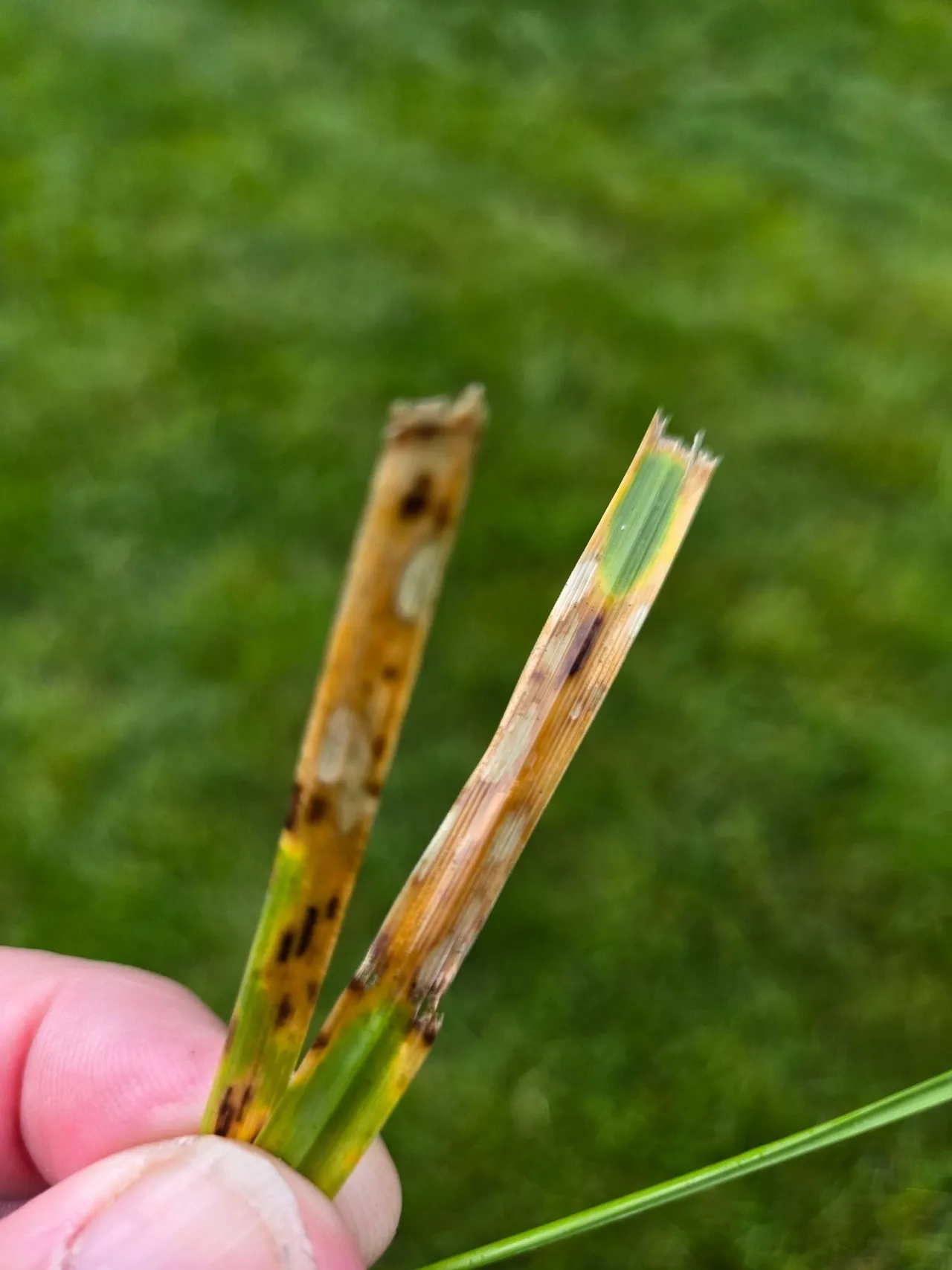
Infected lawns are now showing signs like:
- Tan or brown lesions on blades
- Straw-colored patches forming across the yard
- A "melting" appearance in humid areas
What That Looks Like in Your Lawn
This lawn in Annapolis started the season with a strong green-up - but by mid-June, Brown Patch disease had set in. You can see the irregular patches spreading from the center of the slope, where water runoff and heat combine.

Pests Love This Weather Too
High humidity and moist soil = playground for pest:
- Mosquitoes are breeding rapidly in standing water from recent storms.
- Ticks are thriving in shaded, overgrown edges.
- Grubs and chinch bugs are active in many lawns with prior drought stress.
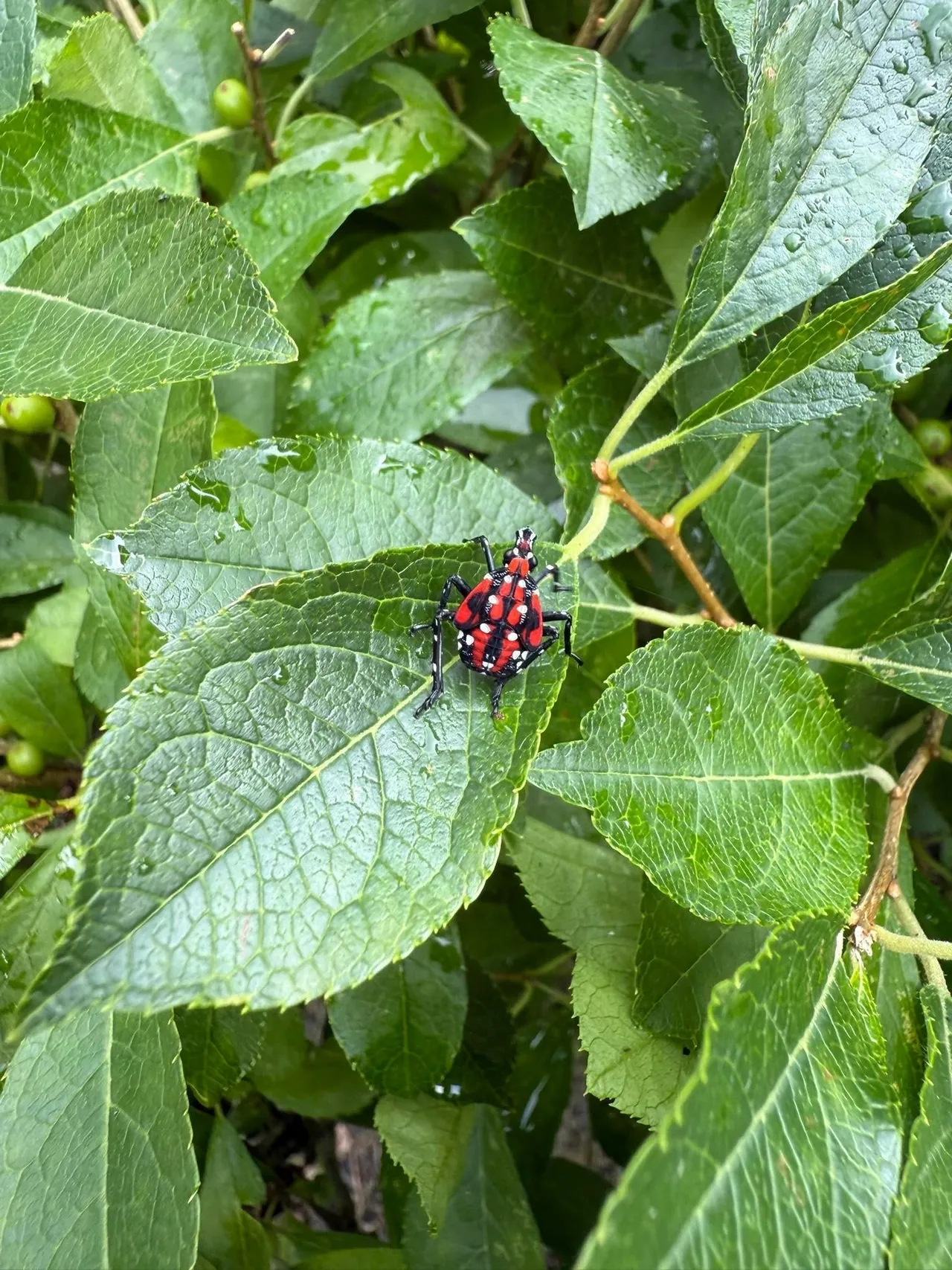
- Spotted Lantern Fly are thriving due to the lush plant growth from to the wet spring, and the warm humid summer has been ideal for fast development of nymphs.
- Ant colonies are often pushed indoors as they search for drier places to move their nests following rainfall.
- With other insect populations rising predatory insects like Bald-faced hornets and yellow jackets have also been extremely active and also take advantage of the hot humid summer for rapid colony growth
This all adds up to a stronger insect populations both in the lawn and around homes.
What D&D Lawn and Pest is Doing to Protect Lawns
At D&D Lawn and Pest, we tailor our Turf Care, Pest control and Plant Healthcare program to the current weather conditions. This year, we're focused on:
Lawn Treatments:
- Disease Control applications based on real-time pressure
- Soil amendments to improve drainage and root health
- Fall aeration and seeding to recover lost turf density
- Grub Control applications to help reduce grub population
Pest Control:
- Mosquito, Flea and Tick treatments to help reduce the population of these disease carrying vectors
- Spotted Lantern Fly reduction program to help knock down the population of the invasive insects and help protect our native plants
- Home Pest Control to help keep your home free of unwanted invaders
What You Should Do Now
If your lawn is struggling - it's not your fault. The combination of the drought in 2024 and 2025's extreme weather has put even healthy lawns at risk.
We recommend a mid-summer lawn evaluation so we can assess disease and pest rick - and develop a plan to rebuild turf strength heading into fall.
Get Help from Lawn and Pest Experts Who Know Maryland
Call D&D Lawn and Pest today at (301) 337-4884 or contact us online to schedule your free assessment.
Let's protect your lawn and restore its health - despite everything nature throws at it.